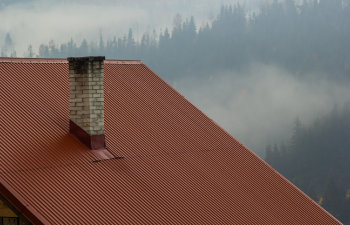
When it comes to roofing options, metal roofs have become a popular choice among homeowners due to their durability, energy efficiency and modern aesthetic. However, selecting the right metal roof involves considering several important factors. Here, we discuss five key elements to consider when planning your metal roofing project.
1. Roof Color
The color of your metal roof plays a crucial role in both aesthetics and energy efficiency. Metal roofing comes in a variety of colors and finishes that can complement your home’s design while reflecting your personal style. Additionally, lighter colors can help to reflect sunlight, which may keep your home cooler during the summer months and reduce energy costs. Conversely, darker colors tend to absorb heat, which can be beneficial in colder climates. When choosing a color, consider local climate conditions, neighborhood aesthetics, and your home’s architectural style.
2. Panel Types
Metal roofing panels come in various types, each with its own advantages and applications. The most common types include standing seam, corrugated panels and shingles.
- Standing seam panels are renowned for their modern aesthetic and long-term durability, characterized by vertical seams that permit expansion and contraction without compromising integrity.
- Corrugated panels, commonly used in agricultural settings, offer both strength and cost-effectiveness.
- Metal shingles can replicate the appearance of traditional roofing materials, including tile and wood.
When selecting panel types, think about your desired appearance, performance characteristics and the overall budget for your roofing project.
3. Insulation
Insulation is another crucial element to consider when installing a metal roof, as it significantly impacts energy efficiency and indoor comfort. Proper insulation helps regulate indoor temperatures, keeping your home warm in winter and cool in summer.
Metal roofs can often be installed over existing roofing materials, thereby reducing labor costs and enhancing insulation properties. Additionally, using reflective insulation can further enhance energy efficiency by minimizing heat transfer. Ensure you consult with a roofing expert to ensure your insulation choice aligns with your climate and home design.
4. Partnering with a Supplier of Top-Quality Metal Panels
Selecting the right supplier is fundamentally important when investing in a metal roof. Partnering with a reputable supplier like Metal Roofing Systems guarantees that you will receive high-quality materials backed by industry expertise. This not only includes durable panels but also valuable resources for installation and maintenance guidance. An experienced supplier will help you navigate your options, assist with product selection, and ensure you have access to the latest innovations in metal roofing technology.
5. Local Building Codes and Regulations
Before finalizing your metal roofing project, it’s vital to check local building codes and regulations. Different areas may have specific guidelines regarding roofing materials, installation standards and design aesthetics. Failing to adhere to these regulations can result in costly fines or require additional modifications. Working alongside a contractor familiar with local practices can help ensure your project remains compliant, making it both legally and securely.
Residential Metal Roofing FAQs
How long does a metal roof last?
Metal roofs can last between 40 to 70 years with proper maintenance, depending on the material and climate conditions.
Are metal roofs noisy during rain or hail?
While metal roofs can be noisier than traditional materials, proper insulation and underlayment can significantly reduce sound levels.
Do metal roofs attract lightning?
No, metal roofs do not attract lightning. In fact, they are less likely to be struck by lightning than other roofing materials due to their non-combustible nature.
Can I install a metal roof over my existing roof?
Yes, in many cases, a metal roof can be installed over existing roofing materials, saving time and money while improving insulation.
What maintenance do metal roofs require?
Metal roofs are low maintenance, but periodic inspections for rust or damage, along with keeping gutters and downspouts clear, are recommended to ensure long-term performance.
Plan Ahead for Your Metal Roof
Investing in a metal roof is a smart choice that can boost the value and efficiency of your home. By considering these five essential elements, you can make an informed decision that will serve you well for years to come. For more information on metal roofing options, consult with professionals at Metal Roofing Systems who can guide you through your choices and provide high-quality materials for your project.
Posted on behalf of